
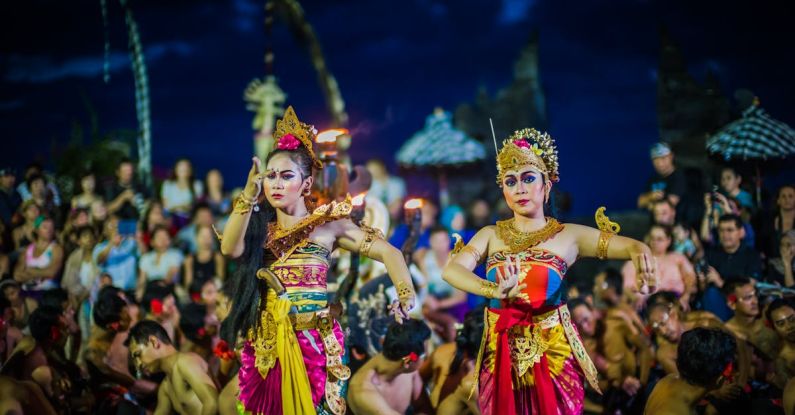
Asia is a continent rich in cultural diversity, where traditions have been passed down through generations, shaping the way of life for many communities. Among the myriad of customs and rituals practiced in Asia, some stand out for their peculiarity and uniqueness. These traditions offer a fascinating glimpse into the beliefs and values of different societies across the region. From ancient ceremonies to modern-day celebrations, here are some of the most peculiar traditions in Asia.
Festival of the Hungry Ghosts in China
In China, the Festival of the Hungry Ghosts is a time when people believe that the spirits of the deceased roam the earth in search of food and entertainment. To appease these hungry ghosts, elaborate offerings of food, money, and other items are made, and performances such as opera and dance are held in their honor. One of the most striking features of this tradition is the burning of joss paper, which is believed to provide the spirits with money and goods in the afterlife. The Festival of the Hungry Ghosts is a vivid display of Chinese beliefs in the spirit world and the importance of honoring ancestors.
Thaipusam in Malaysia and Singapore
Thaipusam is a Hindu festival celebrated by the Tamil community in Malaysia and Singapore, where devotees demonstrate their faith through acts of devotion and self-sacrifice. One of the most striking rituals of Thaipusam is the piercing of the body with hooks and skewers, a practice known as kavadi. Devotees carry elaborate structures, or kavadis, adorned with flowers and peacock feathers, as they walk long distances to fulfill their vows to the deity Murugan. The sight of devotees in a trance-like state, with their bodies pierced and blood flowing, is a powerful expression of devotion and penance.
Takanakuy in Peru
Takanakuy is a traditional festival celebrated in the Peruvian Andes, where community members come together to resolve conflicts through ritualized fighting. Participants, often dressed in colorful costumes, engage in physical combat as a way to settle disputes and clear the air before the new year. The fights are not meant to cause harm but rather to release built-up tension and restore harmony within the community. Takanakuy reflects the Andean belief in the importance of resolving conflicts openly and peacefully, even through physical means.
The Fire Walking Festival in India
The Fire Walking Festival, known as Theemithi, is a Hindu ritual practiced in South India, where devotees walk barefoot over a bed of hot coals to demonstrate their faith and seek blessings from the goddess Draupadi. Participants undergo a period of fasting and purification before taking part in the fire walk, which is believed to cleanse the body and soul of impurities. The sight of devotees walking confidently over the glowing embers is a testament to their unwavering belief in the power of the divine and the strength of their devotion.
The Day of the Dead in Mexico
While not in Asia, The Day of the Dead in Mexico is a tradition worth mentioning for its unique and colorful celebration of life and death. During this festival, families gather to honor their deceased loved ones by creating elaborate altars adorned with marigolds, candles, and photos of the departed. Offerings of food and drink are placed on the altars to welcome the spirits back to the world of the living for a day. The Day of the Dead is a vibrant and joyous occasion that celebrates the cycle of life and death in a way that is both poignant and beautiful.
In conclusion, the traditions highlighted here offer a glimpse into the diverse and fascinating cultural practices found across Asia and beyond. From rituals honoring the spirit world to festivals that celebrate life and death, these customs reflect the beliefs, values, and creativity of the communities that uphold them. By exploring and understanding these peculiar traditions, we gain a deeper appreciation for the richness and complexity of human culture in all its forms.