
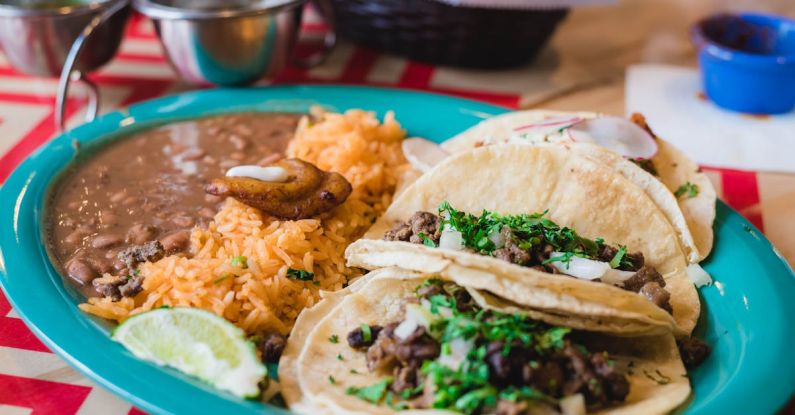
Mexican cuisine is renowned worldwide for its bold flavors, vibrant colors, and rich cultural history. Traditional Mexican food is a reflection of the country’s diverse regions, indigenous ingredients, and culinary techniques that have been passed down through generations. The preparation of traditional Mexican dishes is a labor of love, often involving time-honored methods and fresh, locally sourced ingredients that come together to create a symphony of flavors. In this article, we delve into the fascinating world of how traditional Mexican food is prepared, from the selection of ingredients to the cooking techniques that define this beloved cuisine.
Ingredients: A Symphony of Flavors
At the heart of traditional Mexican cuisine are the ingredients that give each dish its unique character and depth of flavor. From the fiery chilies to the earthy corn and aromatic herbs, Mexican food is a celebration of the bounty of the land. Staples such as corn, beans, tomatoes, and avocados form the foundation of many dishes, while more exotic ingredients like nopales (cactus), huitlacoche (corn fungus), and epazote (aromatic herb) add complexity and depth to the flavor profile.
Meats such as pork, beef, and chicken are commonly used in Mexican cuisine, often marinated in a blend of spices and citrus juices to tenderize and infuse them with flavor. Seafood also plays a significant role in coastal regions, with dishes like ceviche and shrimp cocktails showcasing the fresh, briny flavors of the ocean.
In addition to fresh produce and proteins, traditional Mexican cuisine also relies heavily on a variety of herbs and spices to season dishes. Cumin, oregano, cilantro, and chili powder are just a few of the essential seasonings that give Mexican food its distinctive taste.
Preparation Techniques: A Labor of Love
The preparation of traditional Mexican food is a meticulous process that requires patience, skill, and a deep understanding of the ingredients being used. Many dishes involve complex techniques such as grinding, roasting, and simmering to coax out the full potential of flavors.
One of the most iconic preparation techniques in Mexican cuisine is the use of a molcajete, a traditional mortar and pestle made from volcanic rock. This tool is used to grind spices, chilies, and herbs to create flavorful pastes and salsas that form the backbone of many dishes.
Another key aspect of Mexican cooking is the art of slow cooking. Stews, braises, and moles are often simmered for hours to allow the flavors to meld and intensify, resulting in rich, complex dishes that are a true testament to the culinary heritage of Mexico.
Cooking Methods: Bringing Flavors to Life
Mexican cuisine features a wide range of cooking methods that are designed to highlight the natural flavors of the ingredients. Grilling, roasting, and frying are common techniques used to add depth and complexity to dishes.
One of the most popular cooking methods in Mexican cuisine is barbacoa, a traditional method of slow-cooking meat over an open flame or in an underground pit. This technique results in tender, smoky meat that is often shredded and used in tacos, burritos, and tamales.
Another beloved cooking method in Mexican cuisine is frying. Chiles rellenos, tostadas, and churros are just a few examples of dishes that are fried to crispy perfection, adding a delightful crunch and textural contrast to the meal.
Conclusion: A Culinary Adventure
The preparation of traditional Mexican food is a journey that celebrates the rich tapestry of flavors, ingredients, and techniques that make this cuisine so beloved around the world. From the vibrant colors of fresh produce to the bold flavors of aromatic spices, every element of Mexican cooking tells a story of tradition, history, and community. So, the next time you sit down to enjoy a plate of authentic Mexican cuisine, take a moment to savor the flavors and appreciate the artistry and passion that goes into every dish. Viva la comida Mexicana!