
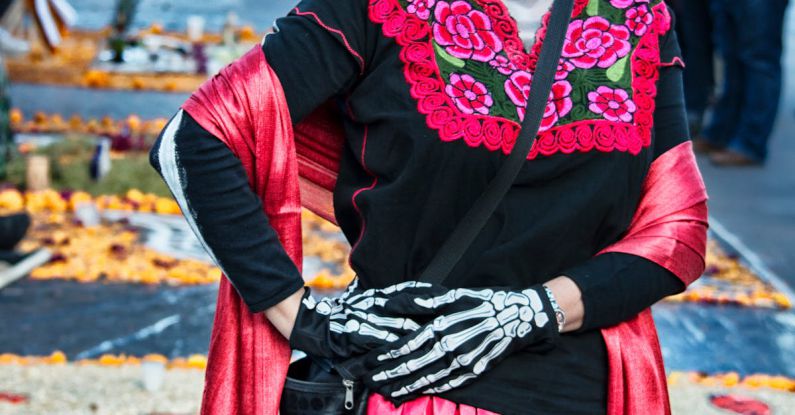
In Mexico, the Day of the Dead, or Día de los Muertos, is a vibrant and colorful celebration that honors deceased loved ones. This traditional Mexican holiday, which falls on November 1st and 2nd, is a time for families to come together to remember and celebrate the lives of those who have passed away. The Day of the Dead is a unique blend of indigenous Aztec rituals and Catholic traditions, creating a beautiful and meaningful way to commemorate the departed.
Origins and Significance
The origins of the Day of the Dead can be traced back to ancient Mesoamerican civilizations, particularly the Aztec festival dedicated to the goddess Mictecacihuatl, known as the Lady of the Dead. When the Spanish conquistadors arrived in Mexico in the 16th century, they attempted to eradicate these indigenous rituals by integrating them into the Catholic All Saints’ Day and All Souls’ Day on November 1st and 2nd. This fusion of beliefs gave rise to the modern celebration of the Day of the Dead, blending pre-Hispanic traditions with Catholic symbolism.
Altars and Offerings
Central to the observance of the Day of the Dead are the ofrendas, or altars, that families create in their homes and at the gravesites of their loved ones. These altars are adorned with marigolds, known as cempasúchil, which are believed to guide the spirits of the deceased back to the world of the living. Families also decorate the altars with candles, photographs of the departed, religious icons, and items that the deceased enjoyed in life, such as favorite foods and drinks.
Food and Drink
One of the most iconic elements of the Day of the Dead celebrations is the traditional food and drink that families prepare to honor their departed loved ones. Pan de muerto, or bread of the dead, is a sweet bread often shaped like a skull or bones and adorned with sugar. Tamales, mole, and other traditional Mexican dishes are also commonly served during this time. Families may also prepare the favorite dishes of the deceased as an offering on the altar, believing that the spirits will return to enjoy the essence of the food.
Calaveras and Catrinas
Calaveras, or sugar skulls, and Catrinas, elegant skeleton figures dressed in traditional attire, are iconic symbols of the Day of the Dead. These whimsical and colorful representations of death serve as a reminder that death is a natural part of life and should be embraced rather than feared. Calaveras are often inscribed with the names of the deceased and given as gifts or used to decorate the ofrendas.
Cemetery Visits and Processions
On November 1st and 2nd, families across Mexico visit cemeteries to clean and decorate the graves of their loved ones. This practice, known as la limpieza, or the cleaning, is a way to show respect and honor to the deceased. Families may bring offerings of flowers, candles, and incense to adorn the graves, creating a festive and reverent atmosphere. Some communities also hold processions, known as las calacas, where participants dress up in elaborate costumes and makeup to honor the dead.
Celebrating Life and Death
The Day of the Dead is a celebration of life as much as it is a commemoration of death. Through colorful altars, delicious food, and joyful gatherings, families in Mexico come together to remember their departed loved ones and celebrate the legacy they have left behind. This unique and vibrant tradition highlights the resilience and continuity of Mexican culture, honoring the past while embracing the present.
In conclusion, the Day of the Dead in Mexico is a rich and meaningful tradition that brings families together to remember and celebrate their departed loved ones. Through altars, offerings, food, and festivities, Mexicans pay homage to the deceased in a joyful and colorful manner that reflects the beauty of life and the inevitability of death. This unique blend of indigenous and Catholic customs creates a deeply spiritual and culturally significant observance that has endured for centuries.