
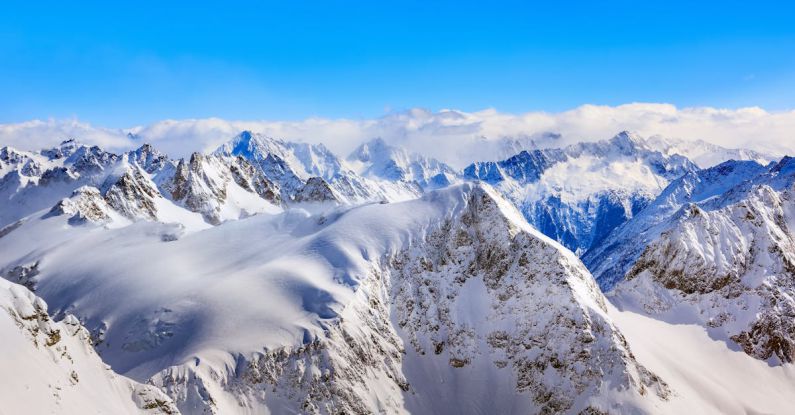
At a staggering height of 29,032 feet above sea level, Mount Everest stands as the tallest peak in the world, attracting adventurers and explorers from all corners of the globe. This majestic mountain, located in the Himalayas on the border between Nepal and China, holds a myriad of fascinating facts that contribute to its allure. From its geological formations to the remarkable achievements of climbers, Mount Everest is a treasure trove of intriguing information that continues to captivate the minds of many.
The Height of Mount Everest
One of the most well-known facts about Mount Everest is its impressive height, reaching a towering 29,032 feet above sea level. This measurement, however, is not static, as the mountain’s height can vary due to geological processes and shifts in tectonic plates. The actual elevation of Mount Everest is subject to change over time as a result of natural forces at work, making it a dynamic and ever-evolving entity.
The Formation of Mount Everest
Mount Everest is a product of the collision between the Indian and Eurasian tectonic plates, which began around 50 million years ago. This collision resulted in the uplift of the Himalayan mountain range, with Mount Everest being the highest peak in this majestic range. The geological processes that created Mount Everest are a testament to the immense forces of nature and the profound impact they have on shaping our planet’s landscape.
The First Successful Ascent
On May 29, 1953, Sir Edmund Hillary of New Zealand and Tenzing Norgay, a Sherpa of Nepal, became the first climbers to reach the summit of Mount Everest. This historic achievement marked a significant milestone in the world of mountaineering and solidified Mount Everest’s reputation as the ultimate challenge for climbers. The bravery and determination of Hillary and Norgay continue to inspire aspiring adventurers to this day.
The Deadliest Day on Mount Everest
On April 25, 2015, Mount Everest experienced one of the deadliest days in its history when a devastating earthquake struck Nepal, triggering avalanches on the mountain. The earthquake resulted in the deaths of at least 22 climbers and led to the closure of the mountain for the remainder of the climbing season. This tragic event served as a stark reminder of the inherent dangers of attempting to conquer the world’s tallest peak.
The Sherpas of Mount Everest
The Sherpa people, native to the Himalayas, play a crucial role in supporting climbers on their expeditions to Mount Everest. Known for their expertise in mountaineering and their resilience in high-altitude environments, Sherpas serve as guides, porters, and essential members of climbing teams. Their contributions to the world of mountaineering are invaluable, and their presence on Mount Everest is a testament to their strength and skill.
The Environmental Impact of Climbing Mount Everest
The growing number of climbers attempting to summit Mount Everest each year has raised concerns about the environmental impact of these expeditions. The mountain faces challenges such as littering, pollution, and the accumulation of waste left behind by climbers. Efforts are being made to address these environmental issues and promote sustainable practices among climbers to preserve the natural beauty of Mount Everest for future generations.
The Future of Mount Everest
As climate change continues to have a profound impact on the world’s glaciers and mountain ecosystems, Mount Everest faces uncertain challenges in the years ahead. The melting of glaciers, shifting weather patterns, and increased human activity on the mountain pose threats to the delicate balance of this iconic peak. Conservation efforts and sustainable practices will be crucial in ensuring the long-term preservation of Mount Everest and its surrounding environment.
In conclusion, Mount Everest stands as a symbol of human ambition, natural beauty, and the enduring spirit of exploration. Its towering height, geological significance, and historical achievements make it a truly remarkable and awe-inspiring destination for adventurers and nature enthusiasts alike. As we continue to learn more about this majestic mountain and the challenges it faces, it is essential that we approach its conservation with care and respect to ensure that Mount Everest remains a beacon of inspiration for generations to come.