
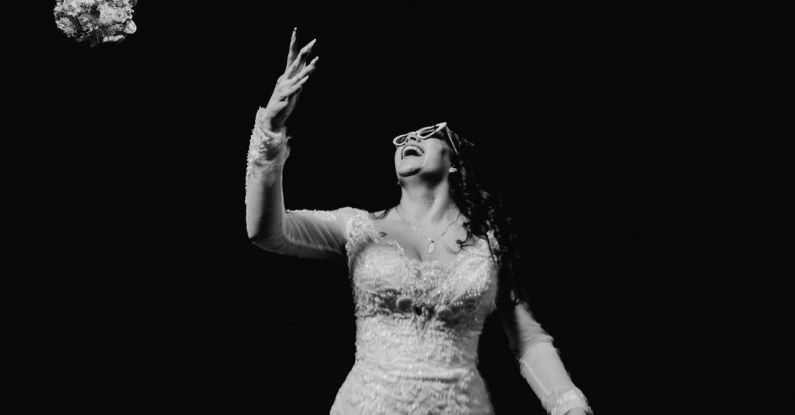
Weddings are known for being joyous celebrations filled with traditions and customs that vary greatly from culture to culture. While some wedding traditions are well-known and widely practiced, there are also some more unusual customs that may seem strange or even bizarre to outsiders. These unique wedding traditions highlight the diversity and richness of different cultures around the world. Let’s explore some of the most unusual wedding traditions that exist.
### The Blackening of the Bride
In Scotland, there is a tradition known as the “blackening of the bride.” This tradition involves the friends and family of the bride covering her in all sorts of disgusting substances such as spoiled milk, rotten food, and even feathers. The idea behind this tradition is to ward off evil spirits and bring good luck to the marriage. The bride is then paraded through the streets, with onlookers often throwing more substances at her. While this tradition may seem strange to outsiders, it is considered a lighthearted and fun way to celebrate the upcoming marriage.
### Crying Marriage Ritual
In some parts of China, particularly in the Tujia ethnic group, there is a tradition known as the “crying marriage ritual.” This tradition involves the bride crying for an hour a day in the month leading up to her wedding. Ten days into the ritual, the mother of the bride joins her in crying, and then ten days after that, the grandmother joins in as well. The idea behind this tradition is to ward off evil spirits and bring good luck to the marriage. While the tradition may seem strange, it is seen as an important and meaningful way to ensure a happy and successful marriage.
### Kumbh Vivah
In India, there is a unique wedding tradition known as “Kumbh Vivah.” This tradition is practiced when an individual is believed to be cursed with bad luck in marriage due to astrological reasons. To lift the curse, the individual must first marry a tree or a banana plant. This symbolic marriage is then followed by a traditional Hindu ceremony to ensure that the curse is broken and the individual can go on to have a successful marriage with a human partner. While this tradition may seem unusual, it is deeply rooted in Indian cultural beliefs and practices.
### Spitting on the Bride
In Kenya, among the Maasai tribe, there is a tradition where the father of the bride spits on her head and breasts before she leaves with her new husband. This seemingly disrespectful act is believed to bring good luck and drive away evil spirits. While spitting on the bride may seem shocking to outsiders, it is an important ritual in Maasai culture and is seen as a way to protect the bride and ensure a successful marriage.
### Tossing Plates
In Germany, there is a tradition known as “Polterabend,” which translates to “eve of making a racket.” During this pre-wedding celebration, guests break porcelain dishes and glasses to bring good luck to the couple. The couple is then tasked with cleaning up the mess together, symbolizing their ability to work together and overcome challenges in their marriage. While this tradition may seem unusual, it is a fun and symbolic way to wish the couple good luck in their future together.
### The “Fattening Room”
Among the Efik people in Nigeria, there is a tradition known as the “fattening room.” Before a wedding, the bride-to-be is placed in a secluded room where she is fed rich and fatty foods to prepare her for marriage. The idea behind this tradition is to signify the bride’s readiness for marriage and her ability to provide for her future husband. While the concept of a “fattening room” may seem strange, it is an important cultural tradition that is deeply rooted in Efik beliefs and practices.
In conclusion, wedding traditions vary widely across cultures and countries, with some being more unusual and unique than others. These traditions, while they may seem strange to outsiders, hold deep cultural and symbolic meanings for those who practice them. From the blackening of the bride in Scotland to the crying marriage ritual in China, each tradition serves to bring good luck, ward off evil spirits, and ensure a happy and successful marriage. While these customs may not be for everyone, they highlight the diversity and richness of wedding traditions around the world.